
framed led mirror
Backflow Check Valve Bescherming tegen terugstroming van vloeistoffen In de wereld van waterbeheer en vloeistoftransport is de backflow check valve een cruciaal onderdeel dat vaak over het hoofd wordt gezien. Deze klep speelt een essentiële rol in het waarborgen van de veiligheid en efficiëntie van leidingsystemen, vooral in situaties waarin er een risico bestaat op terugstroming van vloeistoffen. In dit artikel bespreken we wat een backflow check valve is, hoe het werkt en waarom het zo belangrijk is in verschillende toepassingen. Wat is een Backflow Check Valve? Een backflow check valve, of terugstroomklep, is een mechanische klep die voorkomt dat vloeistoffen terugstromen in een leidingsysteem. Het is ontworpen om de richting van de vloeistofstroom te beheersen en te zorgen dat deze alleen in één richting kan stromen. Dit is van cruciaal belang in systemen waar contaminatie van het drinkwater of andere vloeistoffen een serieus probleem kan zijn. Hoe Werkt een Backflow Check Valve? De werking van een backflow check valve is relatief eenvoudig. Wanneer de druk aan de inlaatzijde van de klep hoger is dan aan de uitlaatzijde, opent de klep automatisch, waardoor de vloeistof kan stromen. Zodra de druk aan de uitlaatzijde gelijk is aan of hoger is dan aan de inlaatzijde, sluit de klep. Hierdoor wordt voorkomen dat vloeistof terugstroomt naar de bron, wat vooral belangrijk is in sanitaire installaties en drinkwatervoorzieningen. Er zijn verschillende soorten backflow check valves, zoals balanskleppen, veerklepper en zwaartekrachtkleppen . Elke type heeft zijn eigen werkingsprincipe en toepassingsgebied, maar ze delen allemaal de gemeenschappelijke functie van het voorkomen van terugstroom. Waarom is een Backflow Check Valve Belangrijk? De toepassing van backflow check valves is cruciaal in een aantal contexten, waaronder backflow check valve 1. Waterdistributiesystemen In gemeentelijke waterleidingen zorgen backflow check valves ervoor dat vervuild water niet terugstroomt naar het drinkwatersysteem. Dit is essentieel voor het behoud van de waterkwaliteitsnormen en de volksgezondheid. 2. Industrieel Gebruik In de industrie worden backflow check valves gebruikt om te voorkomen dat gevaarlijke stoffen of chemicaliën terugstomen in de toevoerleidingen. Dit beschermt niet alleen de apparatuur, maar ook de werknemers en het milieu. 3. Sanitaire Systemen In afvoersystemen worden deze kleppen gebruikt om te voorkomen dat afvalwater terugstroomt in de leidingen, wat kan leiden tot verstoppingen en ongewenste geuren. 4. Beveiliging tegen Overstromingen In gebieden waar overstromingsrisico's bestaan, kunnen backflow check valves helpen om ervoor te zorgen dat water niet terugstroomt in huizen of andere gebouwen. Installatie en Onderhoud Het correct installeren en onderhouden van backflow check valves is van groot belang om hun effectiviteit te waarborgen. Bij de installatie moet rekening worden gehouden met de juiste plaatsing en oriëntatie van de klep. Regelmatig onderhoud, zoals het controleren op lekkages en het testen van de klepwerking, kan helpen om eventuele problemen tijdig op te sporen en op te lossen. Conclusie De backflow check valve is een onmisbaar element in moderne vloeistoftransport- en watersystemen. Door terugstroming van vloeistoffen te voorkomen, beschermen deze kleppen onze drinkwatervoorzieningen, industriële processen, en sanitaire systemen. Of het nu gaat om het beschermen van het milieu, de gezondheid van mensen of het veiligstellen van industriële processen, de rol van de backflow check valve kan niet genoeg benadrukt worden. Daarom is het belangrijk om bij de installatie en het onderhoud ervan altijd de hoogste normen te hanteren.
about
framed led mirror
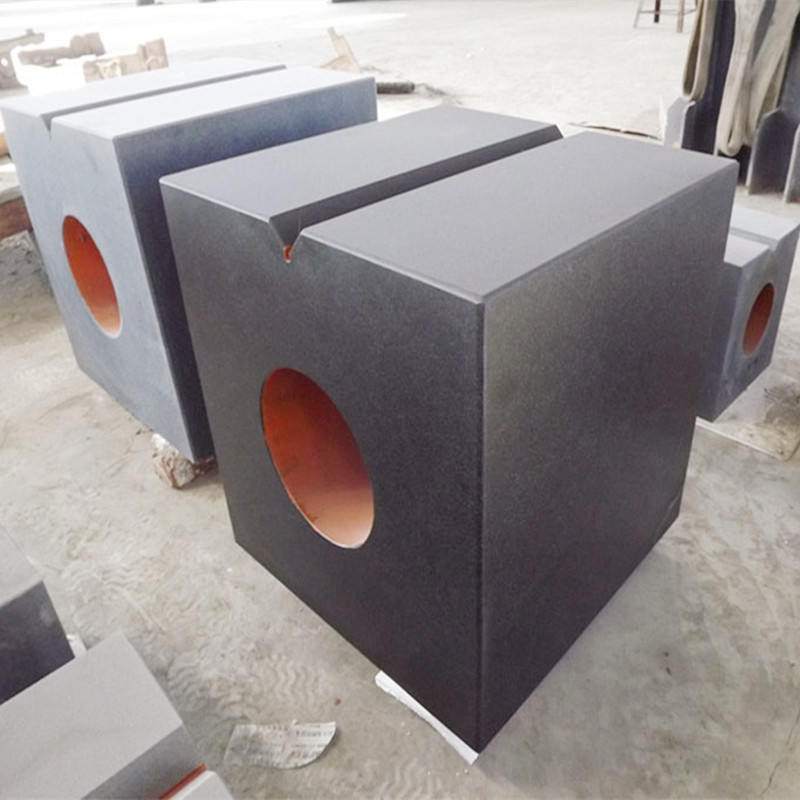
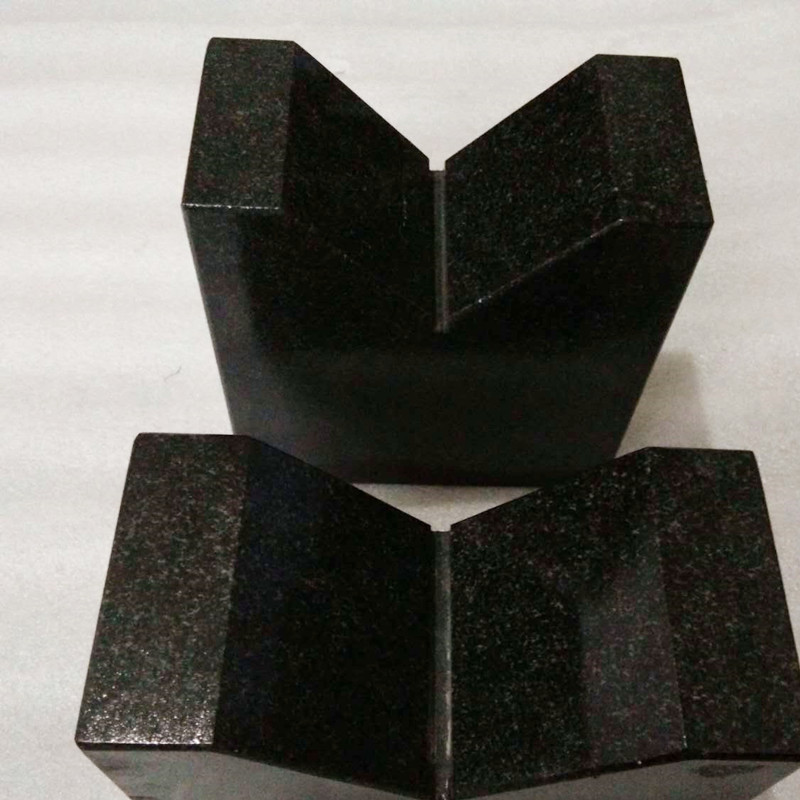
The Magnificence of Large Granite Blocks Nature's Incredible Creation Granite, an igneous rock formed from cooled volcanic magma, has captivated humans for centuries with its durability and aesthetic appeal. Among its various forms, large granite blocks stand as monumental testaments to both nature's power and human ingenuity. These remarkable stones, carved by countless years of geological processes, not only serve functional purposes but also embody a rich historical and cultural significance. The formation of granite begins deep within the Earth's crust. Over millions of years, magma cools slowly, crystallizing into a dense, coarse-grained rock rich in quartz, feldspar, and mica. This natural process creates stones of impressive size and strength, often measuring several feet in height and width. Large granite blocks are not just geological curiosities; they have been essential to various civilizations throughout history, serving as building materials for temples, monuments, and even entire cities. One of the most striking features of granite is its extraordinary durability. These granite blocks are resistant to weathering and erosion, making them ideal for structures intended to withstand the test of time. Historical sites, such as the pyramids of Egypt and ancient temples, often utilized large granite blocks to create enduring legacies. The Great Pyramid of Giza, constructed over 4,500 years ago, features granite blocks weighing several tons each, showcasing the ancient Egyptians’ advanced engineering skills. Moreover, large granite blocks have become iconic in modern architecture and art. Architects and builders continue to turn to granite for its strength and beauty . The United States Capitol Building and the Lincoln Memorial, both constructed using granite, demonstrate how these blocks can create striking visual impacts. The intricate craftsmanship involved in shaping and polishing granite leads to stunning surfaces that can elevate ordinary spaces into extraordinary places. large granite blocks In addition to their structural applications, large granite blocks have played a significant role in public art and monuments. Artists have utilized granite for sculptures that reflect cultural values and historical moments. The serene faces carved into granite at Mount Rushmore honor significant figures in American history, reminding visitors of the values they represented. These grand artworks transcend simple beauty; they provoke thought and discussion, making granite a canvas for storytelling. Beyond their cultural and architectural significance, large granite blocks also hold ecological and geological importance. They provide habitats for various organisms and play a crucial role in the rock cycle, contributing to soil formation and influencing ecosystems. Their presence in landscapes, from rugged mountains to serene lakeshores, adds to the natural beauty of our environment. As we learn more about sustainable practices, the extraction and utilization of granite must also adapt. Quarrying large granite blocks requires careful management to minimize environmental impact. Sustainable practices ensure that we preserve these natural resources for future generations while benefiting from their unique properties. In conclusion, large granite blocks are more than just geological formations; they are historical giants that symbolize the interplay between nature and civilization. Their durability, beauty, and versatility make them indispensable in both cultural heritage and modern design. As we appreciate these magnificent stones, we are reminded of the stories they hold and the beauty they add to our world. Whether in ancient temples or contemporary architecture, large granite blocks continue to inspire awe and admiration, standing as enduring monuments to the creative spirit of humanity.
-

High quality industrial productsagement

High quality industrial products
View Details -

Meet the diverse needs of customers

Meet the diverse needs of customers
View Details -

Strict quality control

Strict quality control
View Details -

Top raw materials

Top raw materials
View Details -

Trusted supplier

Trusted supplier
View Details
Our application


news and information
Valvola a saracinesca elettrica a tenuta morbida
La scelta e l'utilizzo corretti di una valvola a saracinesca da 150 mm sono fondamentali in numerose

Wood Fence Post Cap
Wood Fence Post Caps Enhancing the Beauty and Functionality of Your Outdoor Space A wood fence post
Water Pressure Regulation Valve Efficient Flow Control System
Understanding Water Pressure Control Valves A Key Component in Efficient Plumbing Systems In the in
 English